No Dedicated USMLE® Prep Period? No Problem: How a European Medical Student Aced Step 1 While Balancing Medical School and Rotations
Nino Dekanoidze, a final-year medical student from Tbilisi, Georgia, navigated USMLE Step 1 preparation without the dedicated preparation period typically afforded to US students or the few international medical graduates (IMGs) who are able to take time away from their university schedule. Balancing full-time university rotations with exam prep, she used the AMBOSS custom study plan feature and High-yield mode to create a flexible, efficient schedule that fit into the margins of her day, proving that a rigid 8-week timeline is not the only path to success.
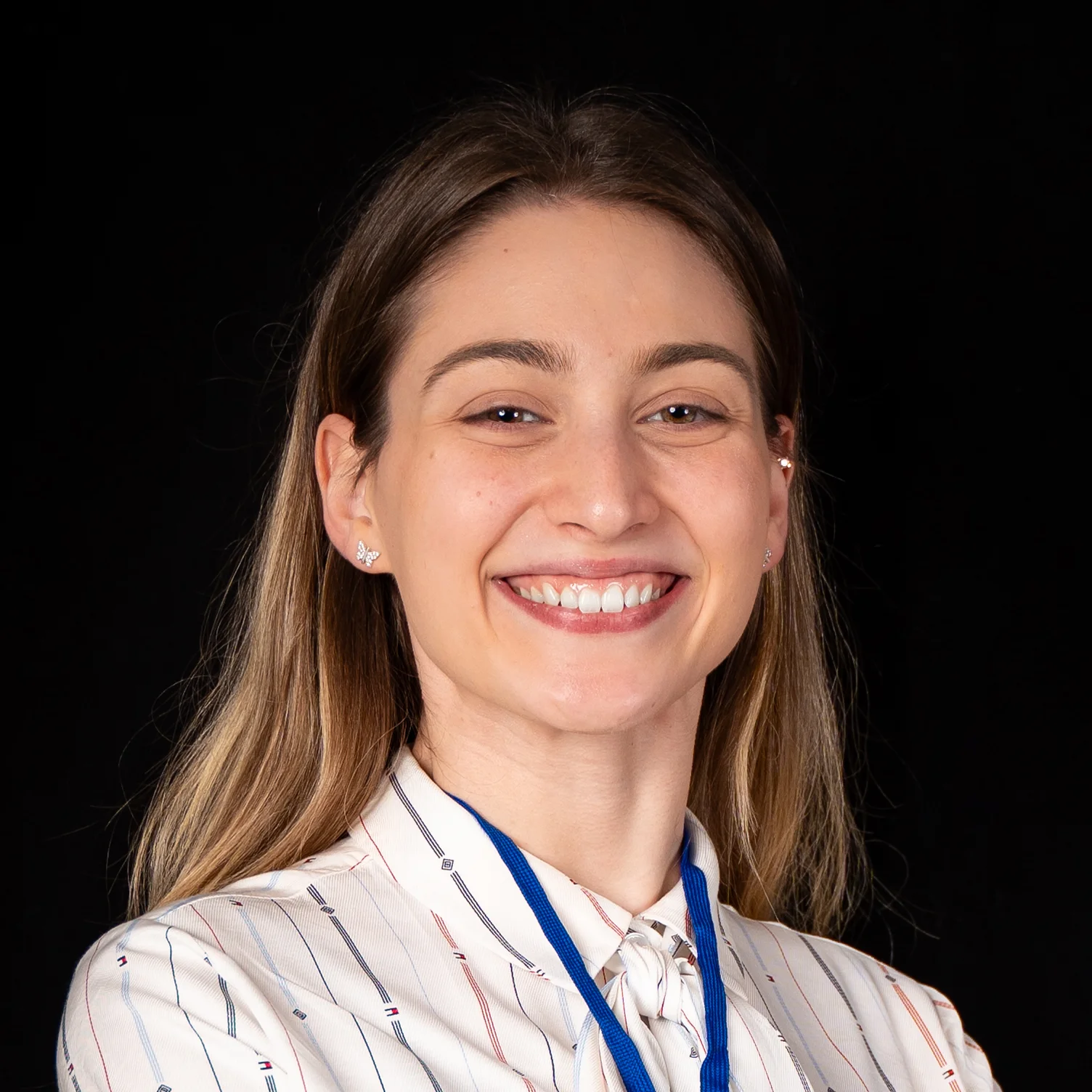
Nino Dekanoidze
Final-year medical student, David Tvildiani Medical University
IMG from Tbilisi, Georgia
Is it possible to prepare for the USMLE without a dedicated preparation period (DPP)?
In the US, medical students are often granted a DPP: a 4–8-week block during which they are released from all clinical duties and classes to focus exclusively on preparing for the USMLE Step 1. Some IMGs are fortunate enough to be able to take several weeks or even months off from their local university or hospital responsibilities to prepare, although this often means delaying the USMLE until later in their training to avoid disrupting expected timelines at their home institution.
IMGs who cannot take dedicated time away are left to prepare for the USMLE alongside full-time university coursework, local examinations, and clinical rotations, effectively managing two full-time commitments at once.
Nino faced this exact reality as a student at David Tvildiani Medical University in Georgia. She realized that forcing a standard “8-week cram schedule” into her busy life would lead to failure because her schedule was fundamentally different from that of a typical US student.
“When IMGS are preparing for USMLE, we don’t have this dedicated period of time that now you're free from university [...]; we need to manage our university duties and rotations plus any kind of exam we are preparing [for].”
How to prepare for the USMLE® without taking a break from a regular university schedule
Without the luxury of 8 free weeks, Nino had to engineer a schedule that fit into the margins of her life. She developed a step-by-step system using AMBOSS’s custom study plan feature to maintain consistency without burning out:
Step 1: Customizing the Roadmap
Instead of following a rigid, static PDF schedule, Nino made a custom custom study plan with AMBOSS.
She configured AMBOSS to match her schedule, inputting exactly which days and how many hours she could realistically commit to outside of her university lectures. This created a personalized roadmap that accommodated her schedule rather than imposing impossible hours.
Step 2: High-Yield Mode on Busy Days
On days when university duties took over and time was tight, Nino switched to High-yield mode and turned on Key exam info.
These features distilled detailed articles into exam-relevant content, helping her to extract key content and stay on track even on her busiest days.
Step 3: Studying While Commuting
To squeeze every minute out of her day, Nino used the Anki add-on during her daily commute.
Whenever she was on the bus or train, she used Anki flashcards to refresh her knowledge, turning travel time into productive study hours. The AMBOSS add-on helped her get more context when needed and find targeted exam-style practice questions.
Study Whenever, Wherever… in a Flash
Stop switching tabs. Use the AMBOSS Anki add-on to view pop-up explanations directly within your flashcards and find targeted USMLE practice questions.

Is AMBOSS enough to prepare for the USMLE?
Like many IMGs, Nino initially believed that sticking to one study platform wouldn’t be enough, so she used other popular platforms. She wanted to empirically test which one worked best for her learning style.
After a few weeks of comparison, she dropped the others and switched exclusively to AMBOSS, as it was more effective in helping her improve her progress and performance on the USMLE curriculum.
She found that other Qbanks’ explanations were sometimes so dense she got lost in the content. In contrast, AMBOSS offered concise explanations that helped her stay focused.
“After I was done with the [AMBOSS] Qbank, I started doing NBMEs, and I saw how similar those questions were to the Qbank I used.”
After taking the exam, she confirmed that the questions she practiced were highly representative of the actual test. Nino noted that the exam was not just about answering questions, but maintaining a calm mindset to manage her time effectively, which AMBOSS’s performance analytics helped her master.
Nino said that if she hadn't decided to rely solely on AMBOSS, she would have missed out on “one of the greatest friends” of her life, describing the platform as a tool that will stay with her throughout her medical career.
“AMBOSS is the tool that will be with you forever as long as you are in this field because it makes you a better doctor.”