Syncing a Local Medical School Curriculum With the USMLE® Prep: How Camille Akkari Used AMBOSS to Score 262 in Step 2 CK
Many international medical graduates (IMGs) find it difficult to translate their local curriculum into the framework of the USMLE. Camille Akkari, a medical student from Lebanon, realized early on that she would prefer not to take additional dedicated time at the end of her degree to cram for the USMLE. So, from the beginning, she integrated AMBOSS into her daily studies, which helped her build a strong foundation that led to passing Step 1 and scoring 262 on Step 2.
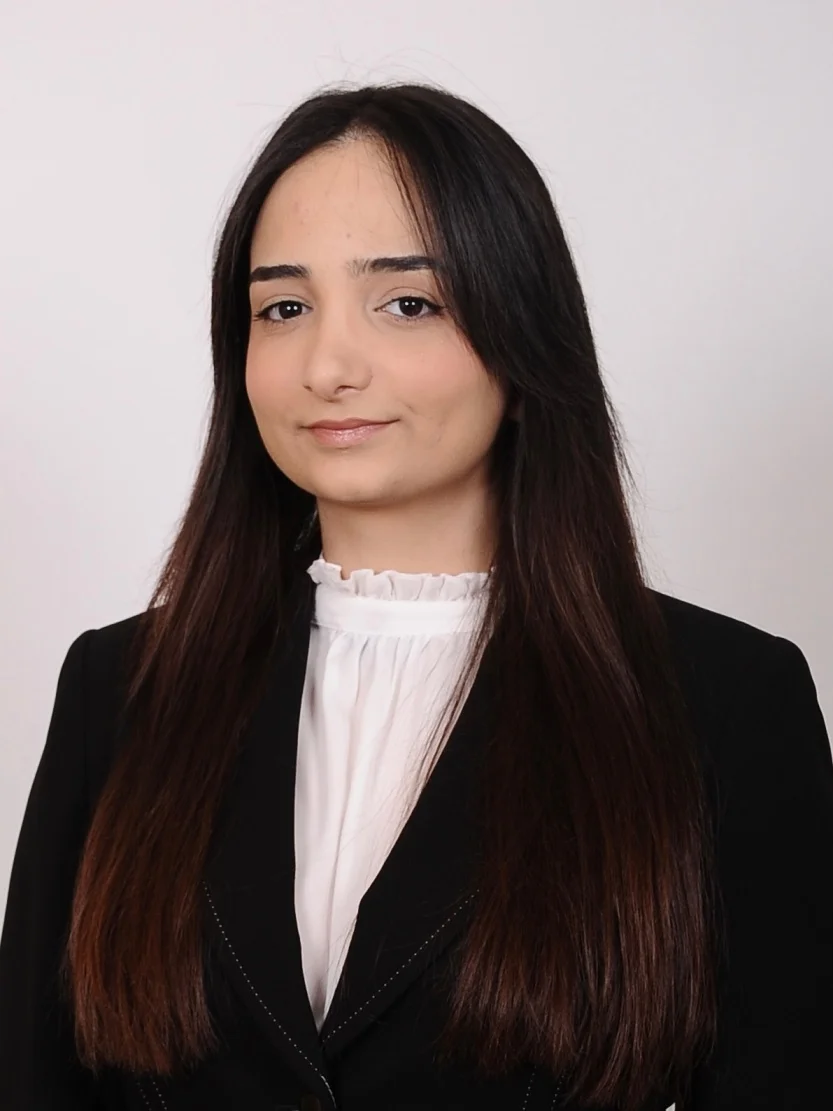
Camille Akkari
Final-year medical student, Holy Spirit University of Kaslik
IMG from Lebanon
Can you prepare for the USMLE if your school doesn’t follow the US curriculum?
The short answer is yes, but it requires a shift in how you study in your home country. For many IMGs, the primary obstacle is that the coursework and exams aren’t tailored to NBME® style or the specific clinical reasoning required for the USMLE.
Camille felt this disconnect immediately during her early years of medical school in Lebanon. While the medical facts were the same, the way they were prioritized and tested differed significantly between her university exams and the USMLE.
“I feel like most IMGs share the same obstacle... it’s definitely the fact that most of our curriculum in medical school is not really based on the USMLE.”
To solve this, Camille didn't wait until the end of her university studies for a dedicated USMLE preparation block. Instead, she used AMBOSS as a real-time curriculum translator. By using the AMBOSS Library to complement her university modules, Camille optimized her study hours and passed her university exams while preparing for the specific challenges of the USMLE.
What is the best way to study for university exams and the USMLE at the same time?
For Camille, the key was treating USMLE preparation as a daily extension of her medical school curriculum rather than a separate goal in the future.
After each lecture, she used AMBOSS to deepen her understanding of the topic. Camille also used the Key Exam Info feature to view the same information within the context of the USMLE.
“What I usually did was whenever we had a specific lecture on a certain topic, I would just go back home right after class, search it up on AMBOSS, and see what is actually offered by AMBOSS on that topic.”
Camille wouldn't simply read the articles. She would watch videos when a topic was unclear and highlight notes directly on the platform. This approach allowed to prepare for the USMLE reviewing what she'd already learned rather than tackling new topics.
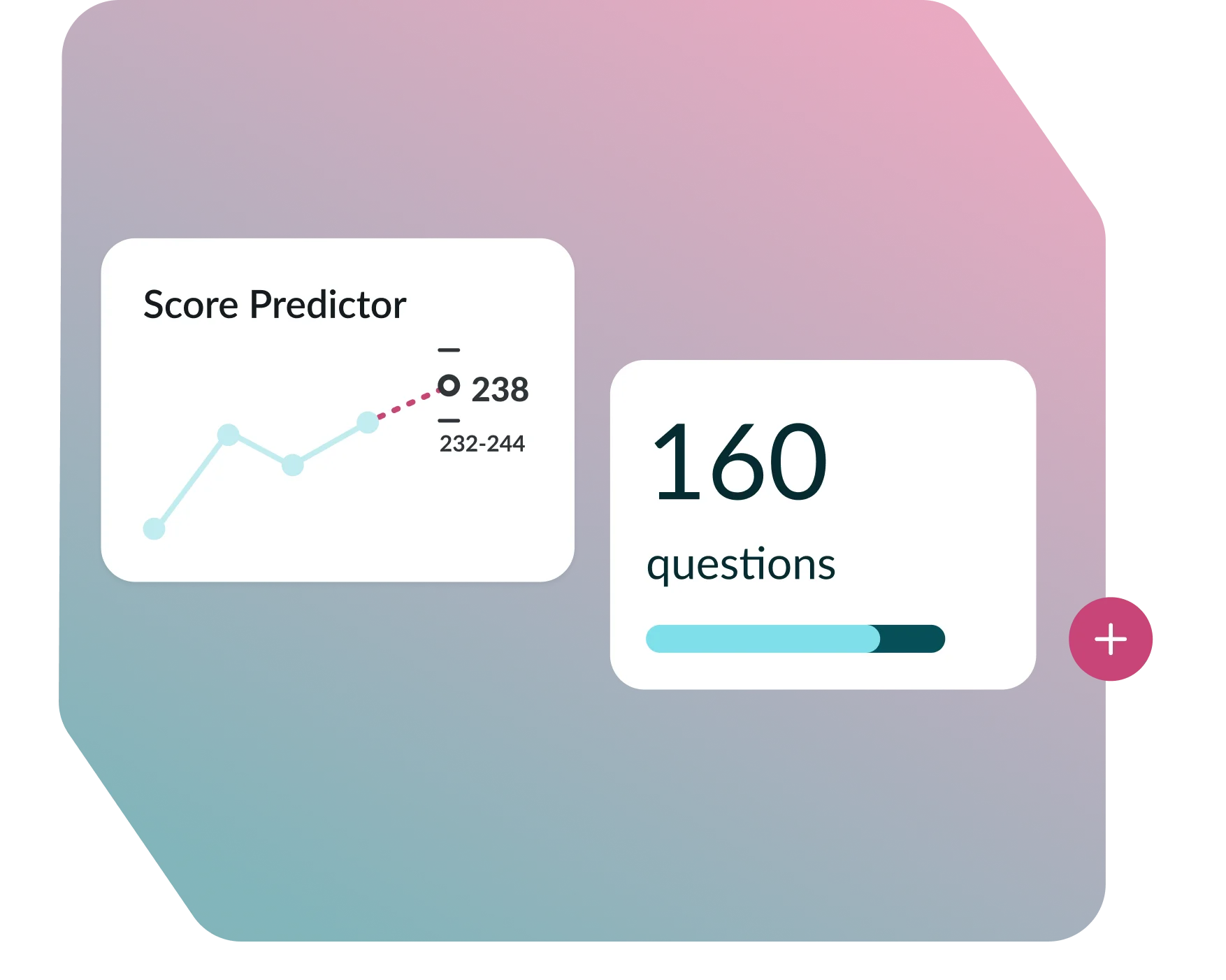
This integrated approach did more than simplify daily studies; it provided a framework to track readiness long before test day. By consistently engaging with AMBOSS and using the built-in USMLE Score Predictor, Camille saw that her daily efforts translated into a projected score of 260, which was reflected in her final Step 2 result of 262.
Estimate Your Progress with the USMLE Score Predictor
Take the guesswork out of your prep. Whether you’re months or days away from your exam, use the AMBOSS Score Predictor to see exactly where you stand with insights.
What’s a secret hack for scoring high on the USMLE Step 2 CK?
While most candidates exhaust themselves memorizing rare pathologies and complex pharmacology, Camille discovered a little-known score booster in a subject area that many IMGs deprioritize: ethics. In the current USMLE landscape, mastering interdisciplinary topics is a high-yield strategy that separates average results from top-tier scores.
“I feel like what really makes the difference between an average score and a higher score is definitely the ethics section, which I feel is really well done in the AMBOSS Qbank.”
The hack for Camille was using AMBOSS to focus on ethics topics and questions since they weren’t covered in her coursework. By diving into the ethics questions on AMBOSS, which are now compiled in the High-Yield Ethics Qbank, she mastered the clinical nuance required to ace the Step 2 exam. On her actual Step 2 exam, there were five or six ethics questions in almost every block, which she believes made the section a decisive factor in her final score of 262.
By using AMBOSS to bridge the gap in her university curriculum, Camille developed a deeper understanding of a key subject area on the USMLE. Where other IMGs might miss a topic like ethics, Camille gained the edge she needed to reach a higher score.
Prepare for the USMLE regardless of where you study. Try AMBOSS today!